Sunshine Melody Embroidery Design: A Real-World Review
As an embroidery designer who has spent years testing fonts on everything from delicate silk to heavy canvas, I often find myself searching for typefaces that balance charm with stitchability. When Sunshine Melody landed in my inbox, it wasn't just another script font; it felt like a specific mood I had been trying to capture for a client project. This piece of the Script Amp collection promises to bring a ray of sunshine to every word you type, but does it hold up under the needle? After putting this design through its paces in various real-world scenarios, here is my honest assessment.
The First Impression: Warmth and Personality
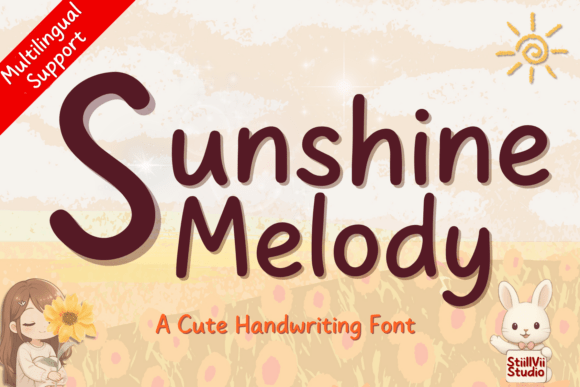
The moment you load the file into your digitizing software, the personality of Sunshine Melody shines through. It captures that gentle warmth of a sunny morning without feeling overly cutesy or childish. The letterforms are loose and flowing, mimicking the fluidity of a hand-written note made with a thick brush pen. Unlike rigid block letters that can feel cold on soft goods, this font invites the viewer in.
Visually, it feels perfectly suited for projects where emotion matters more than technical precision. Whether you are creating a nursery wall hanging or a boutique gift bag, the design immediately suggests comfort and care. It avoids the sharp angles that often cause thread breaks in machine embroidery, favoring rounded edges that translate beautifully into satin stitches.
Real-Life Application: The Custom Tote Bag Scenario
To truly test the viability of this design, I decided to use it for a practical scenario: a custom embroidered tote bag for a local artisan market. The goal was to create a reusable shopping bag that would appeal to Etsy sellers and craft fair attendees who appreciate handmade aesthetics. I chose a natural cotton canvas tote, knowing that the texture of the fabric would interact interestingly with the script style.
When I ran the first sample, the clarity of the Sunshine Melody letters was impressive. The curves flowed naturally across the fabric grain, avoiding the distortion that sometimes plagues script fonts on woven materials. The design didn't look like a stamped logo; it looked like a thoughtful message added by hand. Customers at the market stopped to touch the stitching, commenting on how "soft" the text appeared, even though it was raised thread. This tactile quality is crucial for handmade products where buyers want to feel the quality before purchasing.
Performance Across Different Materials and Products
Sunshine Melody proves versatile enough for a wide range of applications beyond tote bags. Here is how it performs in common embroidery projects:
- Apparel and Sweatshirts: On fleece or heavy cotton sweatshirts, the font adds a playful yet professional touch. It works exceptionally well for small business merchandise, such as branding for a coffee shop apron or a bakery's delivery uniform. The slight variation in stroke width helps the design stand out against textured fabrics.
- Baby Items: For baby clothes, blankets, or onesies, the gentle curves of the font are ideal. It conveys safety and tenderness, making it a top choice for personalized gifts. However, when digitizing for these items, ensure the stitch density is low enough to prevent stiffness that could irritate sensitive skin.
- Holiday Gifts and Kitchen Textiles: Tea towels, pillow covers, and holiday stockings benefit from the cheerful vibe of this script. It elevates simple kitchen linens into statement pieces. The design handles longer phrases well, maintaining readability even when wrapped around curved surfaces like mugs or jars.
- Embroidered Patches: If you are creating custom patches for jackets or backpacks, the clean lines of Sunshine Melody allow for crisp edges. Just be mindful of the backing material to ensure the patch remains flexible.
Where to Exercise Caution
While this is a strong design asset, no single font is perfect for every situation. As a professional reviewer, I must highlight where Sunshine Melody might struggle if not handled with care.
Small Hoop Sizes: Because the script relies on fluid connections between letters, shrinking it down too much can cause the threads to merge, turning distinct characters into a muddy blob. Avoid using this for tiny details on ring pulls or very small cap logos.
Stretchy and Thin Fabrics: Script fonts generally require stability. On stretchy jersey knits or thin rayon, the tension of the embroidery can distort the fabric, causing the letters to wobble. Always use a high-quality cut-away stabilizer and consider hooping the fabric tightly to maintain the integrity of the design.
Dense Stitch Areas: If you plan to combine this font with heavy fill stitches or complex imagery, watch out for thread breakage. The design itself is relatively open, but over-stitching around it can lead to puckering. Test the stitch density carefully before committing to a full production run.
Dark Fabrics: While the font looks great on light backgrounds, visibility on dark fabrics depends entirely on your thread color choice. High contrast is key here; a pale yellow thread will vanish on black denim, whereas a bright white or metallic gold will pop effectively.
Impact on Brand and Product Value
In the world of digital product sellers and craft businesses, the visual appeal of your finished product directly influences customer trust. Using a generic, mass-produced font can make a brand look impersonal. Sunshine Melody, however, offers a level of polish that suggests attention to detail. When a buyer sees a personalized gift with this specific typography, they perceive higher value.
The font supports brand consistency for creators who want to establish a friendly, approachable identity. It bridges the gap between a hobbyist's craft and a professional studio output. For Etsy sellers, this means better mockups and more engaging listings. The design assets work well in printable previews, allowing you to showcase the potential of the embroidery before the customer even buys the item.
Practical Designer Notes for Success
Before you start stitching, there are several technical steps every designer should take to ensure a flawless result:
- Test on Scrap Fabric: Never jump straight into your final product. Run a test on a scrap piece of the same fabric to check for puckering and thread tension.
- Review Thread Colors: Ensure your chosen thread colors provide sufficient contrast against the background. Sometimes a simple black-and-white mockup can reveal if the design has enough definition.
- Check Stabilizer Choice: The right stabilizer is non-negotiable. For this script, a tear-away or cut-away stabilizer that matches the weight of your fabric is essential to support the running stitches and satin fills.
- Confirm Licensing: If you are selling finished items or distributing the digital file, verify the licensing terms. Some designs allow commercial use, while others are restricted to personal projects.
- Inspect Small Details: Zoom in on the digitized file to ensure the connecting strokes between letters are robust enough to withstand the friction of the needle.
Ultimately, Sunshine Melody is a standout addition to any embroidery library. It brings a human touch to digital files, making it a favorite for those who want their embroidery project to feel warm, inviting, and professionally executed. Whether you are decorating a holiday gift or launching a line of boutique products, this font delivers on its promise to brighten up your work. Just remember to respect the limits of the fabric and the hoop, and you will have a finished product that customers will love.