Willing Font Review: A Designer's Take on Real Embroidery
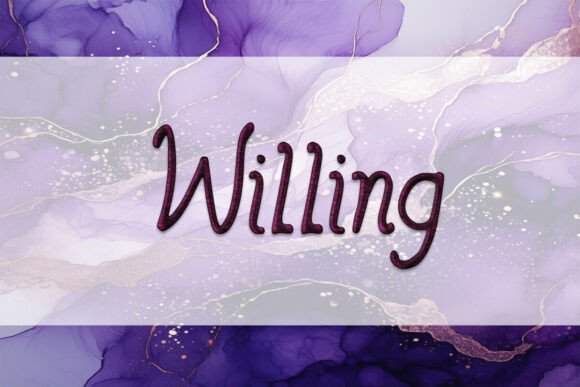
When I first opened the Willing font file, I didn't just see a collection of letters; I saw a mood. As someone who has spent years stitching custom apparel and refining designs for my own small shop, I know that the difference between a good design and a great one often comes down to how it feels in the hoop. This isn't just another script amp category font waiting to be downloaded. It is a typography choice that demands respect for the medium of machine embroidery.
The name itself suggests a sense of grace and acceptance, which translates beautifully into the visual flow of the characters. Unlike blocky sans-serifs that scream for attention with rigid lines, Willing invites the eye to travel smoothly across the fabric. It creates an atmosphere of warmth and personal connection, making it an ideal candidate for projects where emotion matters as much as the message. Whether you are crafting a personalized gift or building a brand identity for a boutique, the initial impression of Willing is one of elegance without being overly ornate.
From Digital File to Finished Product
Let me take you through a real scenario I recently faced. I was preparing a batch of custom embroidered tote bags for a local artisan market. The client wanted something that felt handcrafted but professional, suitable for carrying books or groceries while still looking like a piece of art. I needed a font that could stand up to the rigors of daily use and frequent washing, yet remain legible from a distance.
I pulled up Willing as my primary contender. My first thought was how it would handle the texture of the canvas tote. Script fonts can sometimes get lost on heavy, woven fabrics if the stitch density isn't right, or they can look muddy if the thread colors clash too much with the background. However, the structure of Willing seemed robust enough to hold its shape even on a slightly textured surface. The curves were deliberate, avoiding the trap of becoming illegible blobs when stitched.
In this specific project, I imagined placing the word "Willing" in a soft cream thread against a deep navy bag. The contrast would be striking, and the flowing nature of the letters would soften the industrial feel of the canvas. For a tote bag design, this font strikes a perfect balance between casual charm and high-end presentation. It elevates a simple utility item into something a customer would proudly display.
Navigating Fabric Challenges and Stitch Density
While Willing shines in many scenarios, every experienced designer knows that context is everything. When evaluating this embroidery file for real-world application, we must consider the limitations of the material. If you are working with thin, stretchy fabrics like jersey knit for a baby onesie, the tension of the satin stitches in a script font can cause puckering. Willing requires a stable base to maintain its intended personality.
This brings us to the critical importance of using the correct stabilizer. For delicate items like baby embroidery or lightweight kitchen towels, a cut-away stabilizer might be necessary to prevent the design from distorting over time. Conversely, on a sturdy sweatshirt or a denim jacket, a tear-away might suffice, but you must ensure the stitch density is appropriate. If the fill areas are too dense, the fabric will become stiff and uncomfortable. If they are too sparse, the underlying material might show through, ruining the clean look of the script.
I also had to consider the size of the lettering. On a standard 4x4 hoop, Willing looks fantastic. But what happens when you try to shrink it down for a tiny detail on a hat brim or a small patch? Here, caution is advised. Small details in script fonts can easily disappear or merge together during the stitching process. If you are planning a custom apparel project with very small text, always test the design on scrap fabric first. You want to ensure that the fine lines of the script remain distinct and do not blur into a single dark shape.
Visual Appeal and Brand Consistency
For those of you running a craft business or selling on platforms like Etsy, the visual consistency of your products is paramount. Customers judge the quality of your work by the smallest details. A sloppy stitch job or a font that doesn't render well can undermine the perceived value of your entire product line. Willing offers a level of professionalism that helps build trust.
When used correctly, this digital embroidery file adds a touch of sophistication to personalized gifts. Imagine a wedding gift set featuring monogrammed aprons or pillow covers. The fluidity of Willing mimics the movement of calligraphy, suggesting care and attention to detail. It signals to the recipient that this item was made with intention, not just mass-produced. This emotional connection is vital for commercial embroidery projects where the goal is to create a lasting impression.
However, the font's personality means it isn't a universal solution. It works best in settings where a softer, more organic aesthetic is desired. For a rugged work shirt or a technical sports jersey, Willing might feel out of place. In those cases, a bolder, more structured typeface would likely serve the finished product better. Understanding where your design fits within the broader landscape of your inventory is key to maintaining a cohesive brand image.
Practical Notes for the Design Studio
Before you commit to a full production run with Willing, there are a few technical steps every designer should take. First, check the thread colors available in your library. Script fonts rely heavily on the interplay between the thread and the fabric. High-contrast combinations usually yield the best results, but subtle tonal choices can also be effective if the lighting is right.
Always review the stitch density settings in your software. If the design appears too crowded, consider adjusting the underlay or reducing the stitch count in the fill areas. This is especially important for applique designs or any project involving multiple layers. Furthermore, inspect the corners of the letters. In some script fonts, the ends of the strokes can be prone to tangling or breaking if the path isn't optimized. A quick inspection in black and white mockups can help you visualize how the design will translate to different fabric backgrounds before you ever thread your needle.
Finally, never forget the licensing terms. If you are creating items to sell, confirm whether your license allows for commercial embroidery of finished goods. Some design assets have restrictions on the number of units you can produce or require a separate commercial license. Ensuring you are compliant protects your small shop product business from potential legal issues down the line.
In conclusion, Willing is a versatile addition to any fonts collection, particularly for those who value elegance and readability. It performs admirably in a wide range of applications, from sweatshirt embroidery to holiday embroidery projects. By understanding its strengths and respecting its limitations regarding fabric and scale, you can create stunning handmade products that resonate with customers. Whether you are a seasoned pro or a hobbyist just starting out, taking the time to evaluate a design like Willing ensures that your final creation is nothing short of exceptional.